Love Letter to the First Island Chain
The first island chain isn’t a dashed line on a map, it is a region full of people and governments pursuing self-defense and a future free from intimidation. We should be behind them. (Reflections on a trip to Ishigaki and Taipei)
 ·June 6, 2026·8 min read
The question of whether the United States and its Pacific allies should fortify and defend the first island chain (including Japan’s Southwest island area, Taiwan, and the western Philippines), or whether our military should give up and “fall back” to the second island chain (including Guam and the Mariana Islands), is one that gets heart rates up in Washington. On one side of the debate are those who recognize the value of the first island chain’s location and capabilities as central to the allied denial defense of the free, open Indo-Pacific from Chinese aggression and hegemony. Currently, it is the official U.S. strategy to build a military that can deny aggression in the first island chain. Marine Corps Commandant General Eric Smith (who is genuinely lovely if you run into him live and out-of-uniform, for anyone wondering), discussing the movement of forces from Japan’s southwest islands to the second island chain in 2025, argued “Guam puts us on the other side of the International Date Line…a long way from the crisis theater, from the priority theater.” Then, there are those who think the best strategy for preventing war with China is to treat its domination of Taiwan and its surrounding waters as a fait accompli and, in the middle of the argument, those who consider the first island chain essentially indefensible by the United States and think the U.S. military should leave the first chain and adopt a more remote strategy for helping Taiwan, the Philippines, Japan, and others defend themselves in waters closer to mainland China.
What this seemingly moderate position often overlooks is that credible, tangible U.S. military presence in the first island chain is the thing that is preventing war. Why would the United States and its allies put our umbrellas away when it is pouring down rain in the Taiwan Strait and the South China Sea because we are currently dry? American presence provides our allies and partners the training, systems, and confidence they need to stay strong against intimidation and bolsters collective deterrence by convincing China any attempt to seize an island in the chain would result in a costly conflagration which it could very well lose. Green Beret advisors in Kinmen and Penghu, air bases at Kadena, routine exercises with the Japanese and Filipino militaries—this is denial deterrence in action.
Underlying all of the talk about whether U.S. presence in the first island chain is pivotal for U.S. strategy or a fool’s errand; sustainable or indefensible; good deterrence policy or senselessly provocative, there are, of course, the real happenings on the ground and in the sea. Those happenings, whether in the Taiwan Strait, the Senkaku Islands, or the shoals of the South China Sea, tell a story of increasingly bold Chinese military assertion (though, crucially, still sub-threshold activity intended to send a message without starting a war). There is also a story of allied governments in the region ramping up their responses rather than backing down in the face of pressure. The central question in the first island chain is not whether the United States should base its security strategy in its priority theater (or second priority theater, depending on the administration) on its ability to unilaterally fortify and defend each island from Okinawa to the southern Philippines. Our allies and partners are undertaking impressive and increasing efforts to defend themselves and the free, unrestricted waters (and peoples) of the first island chain from which the United States benefits so much. The question, therefore, is whether the United States will act as a good leader and partner and support our friends, maintaining our collective capacity to deny Chinese attempts at domination and subjugation.
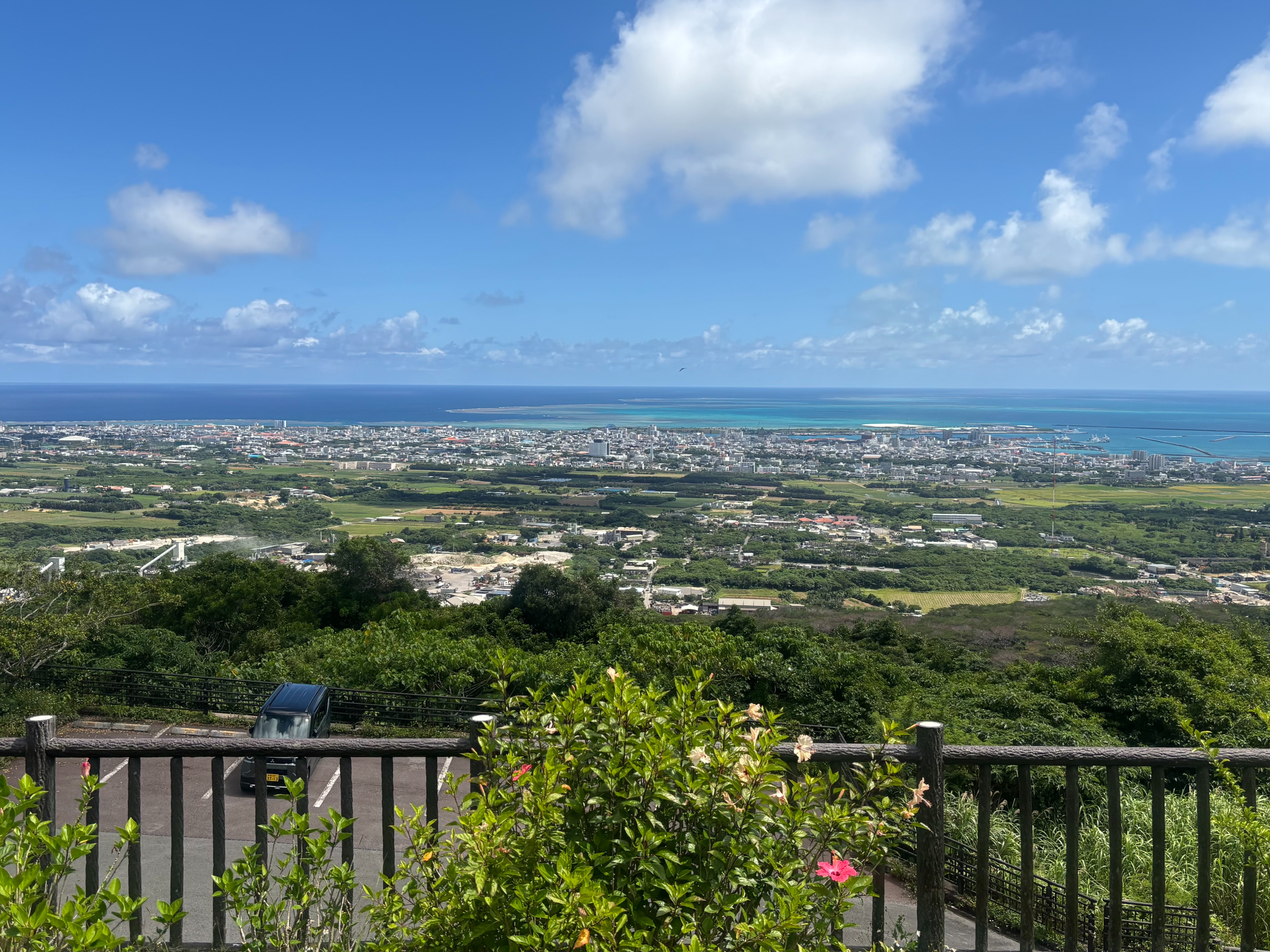
Resisting the urge to talk about Taiwan first, I’d like to shine a light on the Japanese southwestern Nansei islands. I just spent several days in Ishigaki. It is a special little island. One of the more unique places I’ve ever been, it reminds me most of Oahu, but less built out and with heaps of the rustic charm that real estate developers have moderated in Hawaii. Its newly modernized port is home to the mid-size Japanese coast guard vessels tasked with driving Chinese coast guard ships out of the waters around the Senkaku islands. They are docked proudly in a line at Ishigaki port with their green neon signs, prepared to deploy to block, follow, and signal at intruding vessels. Despite the local and regional political difficulties that have prevented a Japan Maritime Self Defense Force (JMSDF) presence in Ishigaki, Japan’s coast guard (much like Taiwan’s) takes on the mantle of first response to Chinese intimidation, and does so from the shores of Ishigaki. Japan’s Ground Self Defense Force (JGSDF), however, does maintain a presence in Ishigaki. The Camp Ishigaki base hosts Japanese indigenous surface to surface and surface to air missiles and has trained with the U.S. Marines on American ship interdiction and air defense systems as recently as last September’s Resolute Dragon exercises.
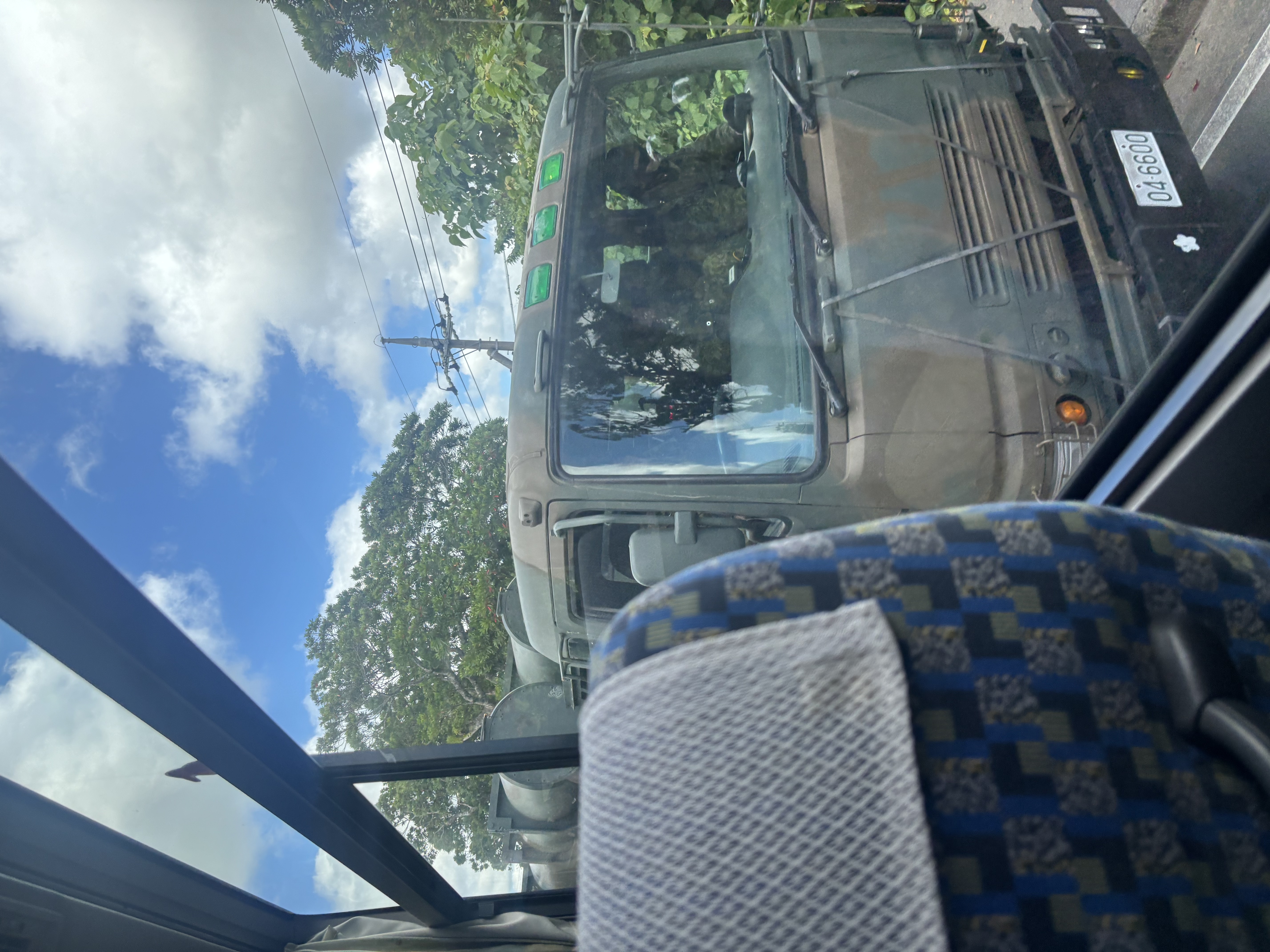
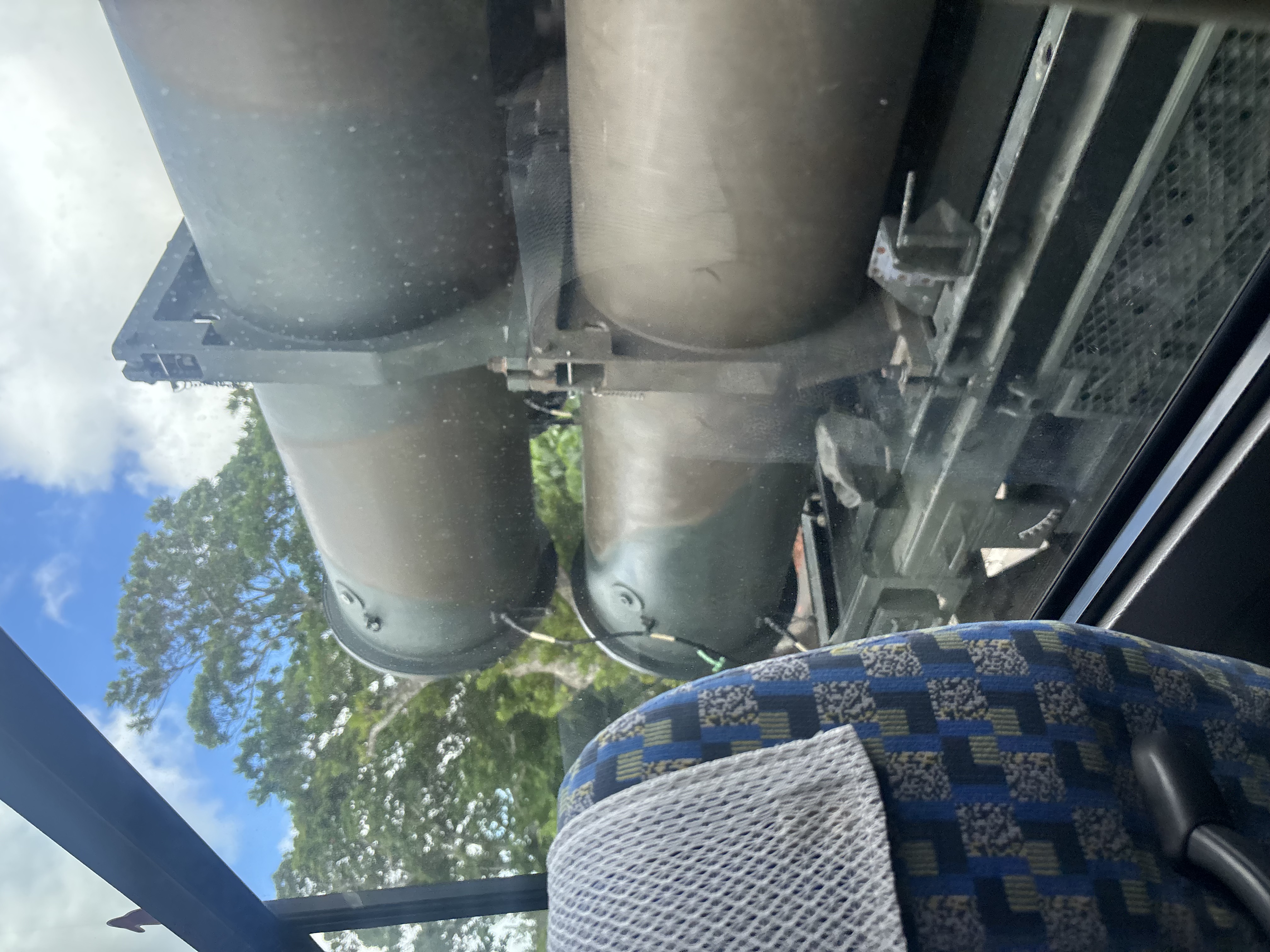
Tokyo knows it will need to make a concerted effort to improve local support for increased military presence and operations on small islands like Ishigaki (and, of course, Japan has a significant defense buildup and strategic review underway at the national level, with U.S. alliance commitments and defense cooperation at the very center). Japan wants to protect the Nansei and Senkaku islands and to seize on their geographic potential to fortify the first island chain as a whole, and the United States should continue to encourage and support that undertaking.
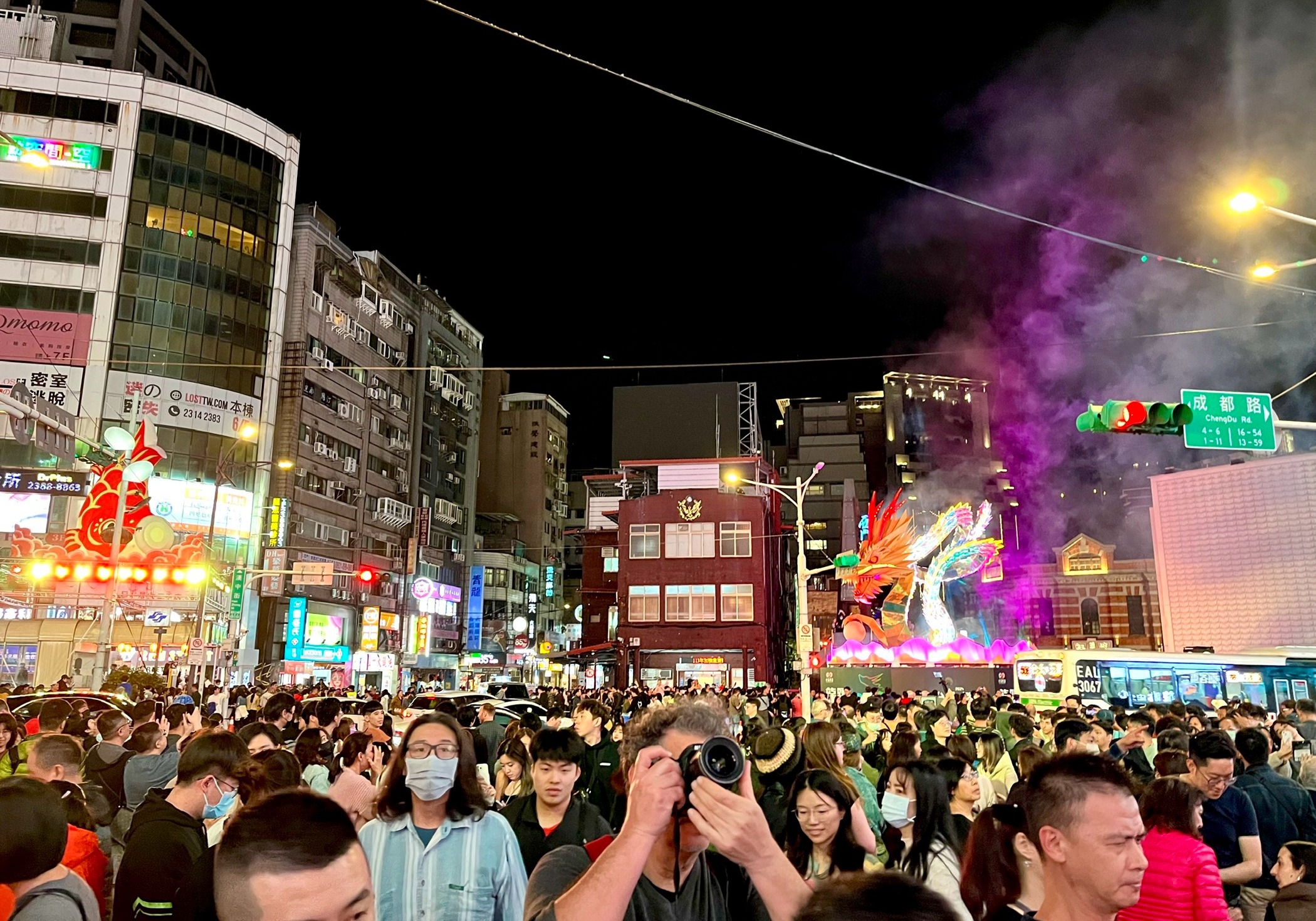
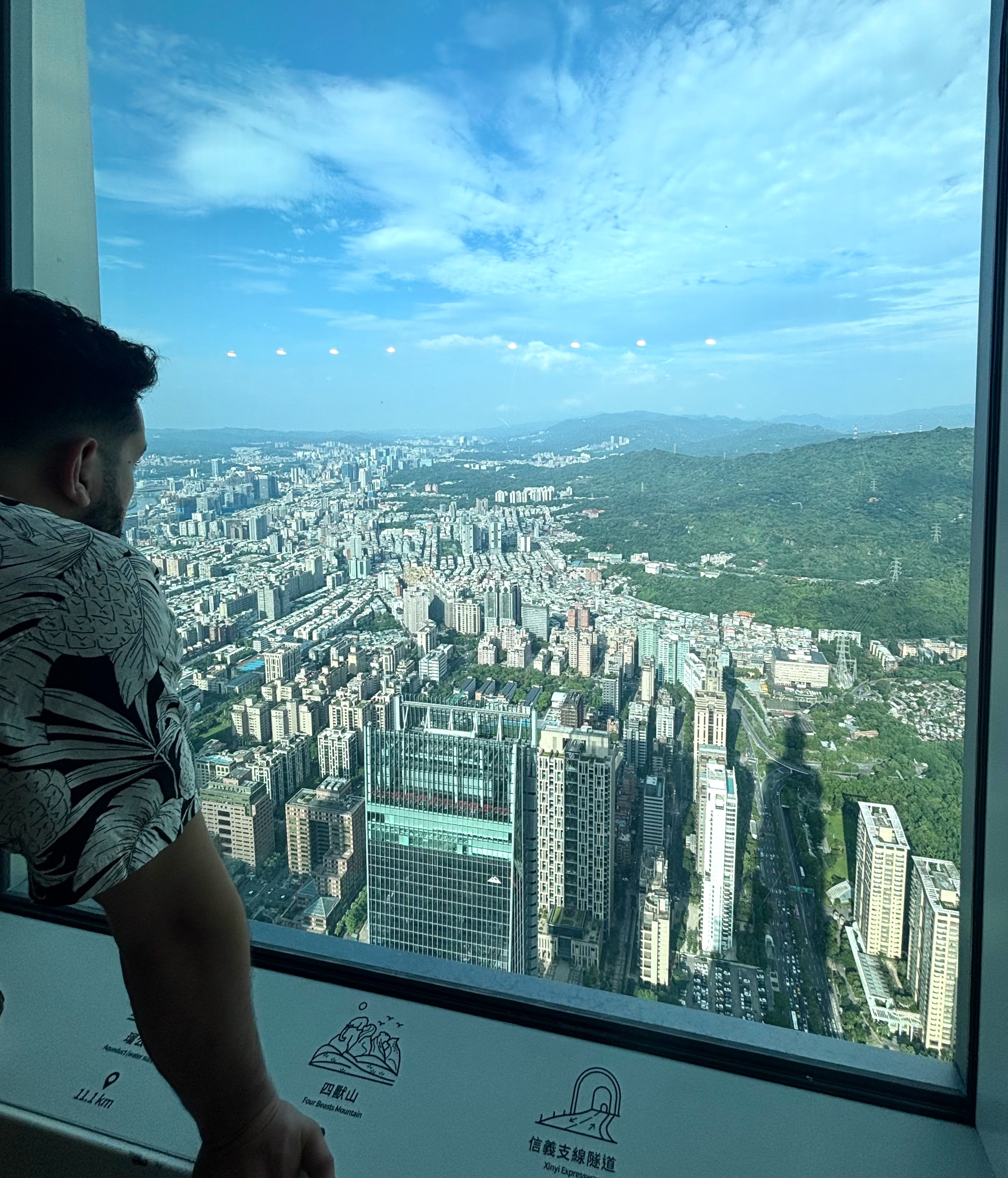
As the crow flies, it is only a couple of hundred miles from Ishigaki to Taiwan. The R.O.C.; the beautiful island. Perhaps enough has been said lately about whether Taiwan is investing properly in its own security, so I will simply remind readers that, like the United States, Taiwan is a democracy, and defense spending is a hotly debated, polarizing question. The current administration in Taipei is self-aware about the dual practical and political (vis a vis the United States) imperative to ramp up its defense spend and has admirably contended with opposition in the legislative yuan. It should continue that effort. But, in the wake of the DPP government’s bold and very public persistence to pass the most recent special defense budget, the chatter among some in Washington that Taipei does not take seriously the defense of its people and its way of life increasingly comes off as a glib justification for prior skepticism. The U.S. should apply pressure on the island to invest in its defense where appropriate, but the Taipei policy community, in my experience, is characterized by realism and national pride. And, lest we forget the sunflower movement, the next generation of Taiwan’s leaders are so riled up against Chinese influence they are willing to take to the streets.
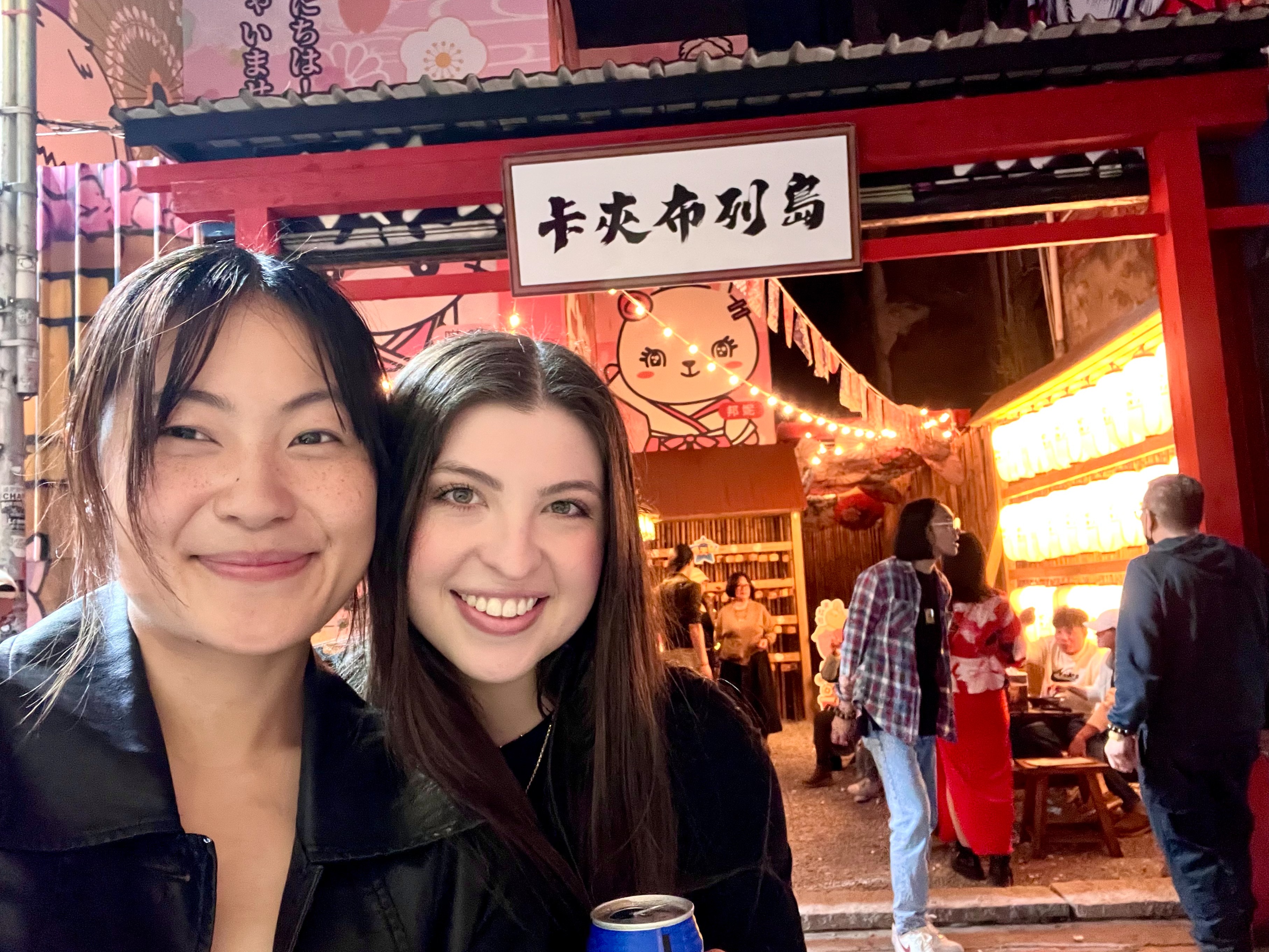
I’ve met a handful of the island’s young scholar-practitioners and have been impressed with their clarity. Taipei today does not operate like a capital still gripped by uncertainty about whether it should take the China threat seriously. Though it will take work to prevent more skeptical factions from regaining lost political influence, clear-eyed security policy is not a lost cause. Last summer’s whole-of-society resilience exercises were massive and even involved visible military presence on Taipei’s metro trains, and the Taiwanese I’ve spoken to indicated the city was calm in its acceptance of that presence, and that people across the island were largely willing to participate or comply with the resilience exercises. I asked a good friend of mine who is a journalist whether she knows any young people supportive of Cheng Li-wun and her more pro-PRC KMT faction, and she laughed out loud before telling me, “no.” A March poll indicates a strong majority of Taiwanese are willing to defend the island in a war with China. As in any healthy democracy, there exists an energetic debate about the best strategies for national security, the trade-offs inherent in high defense spending, and a plethora of local issues having nothing at all to do with China or security. Those debates are for the Taiwanese people to resolve.
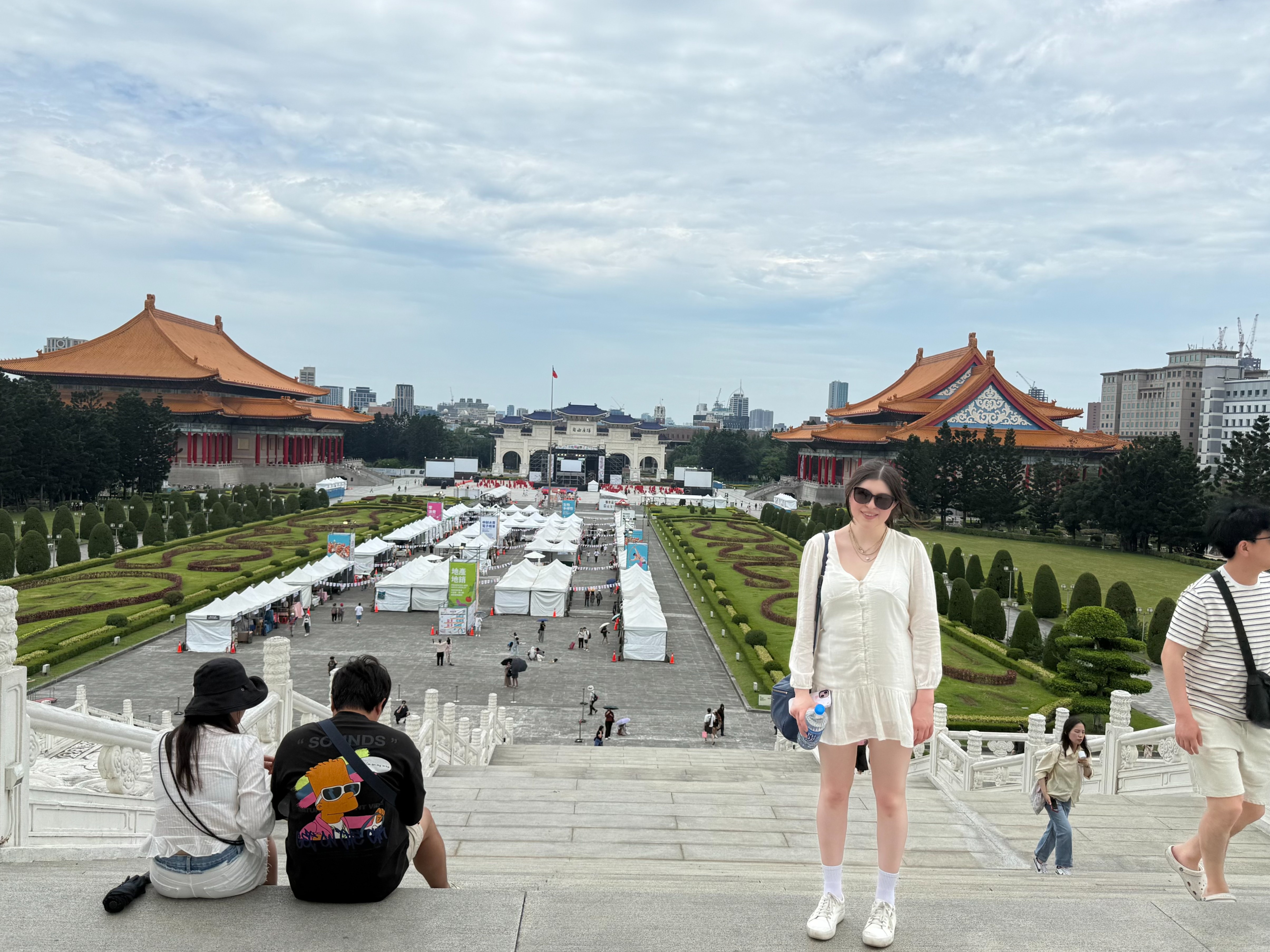
At a macro-level, the current government in Taipei is shedding the free-riding instincts that have concerned Washington’s skeptics in the past and taking their self-defense increasingly seriously. In this political context, animated American support is likely to make Taiwan’s people more optimistic that their defense and the perpetuation of their freedom and self-determination is possible given the right investments, and therefore more supportive of those investments.
I have yet to have the opportunity to travel to the Philippines or other islands in the first island chain, but I hope to very soon. The Philippines is modeling a resolute response to Chinese territorial aggression and increasing its defense capabilities with the support of the United States. These three key nations in the first island chain (Japan, Taiwan, and the Philippines) are all demonstrating determination and a growing prioritization of self-defense. All responding to Chinese pressure, if in their own unique ways. Other smaller powers in the region are considering their options in light of Beijing’s assertiveness and Washington’s skepticism toward security partnerships, tariff moves, and other policy changes. The United States should fortify its partnerships in the region and, alongside those partners, the first island chain itself. The first island chain isn’t a dashed line on a map, it is a region full of people and governments pursuing self-defense and a future free from intimidation. We should be behind them.